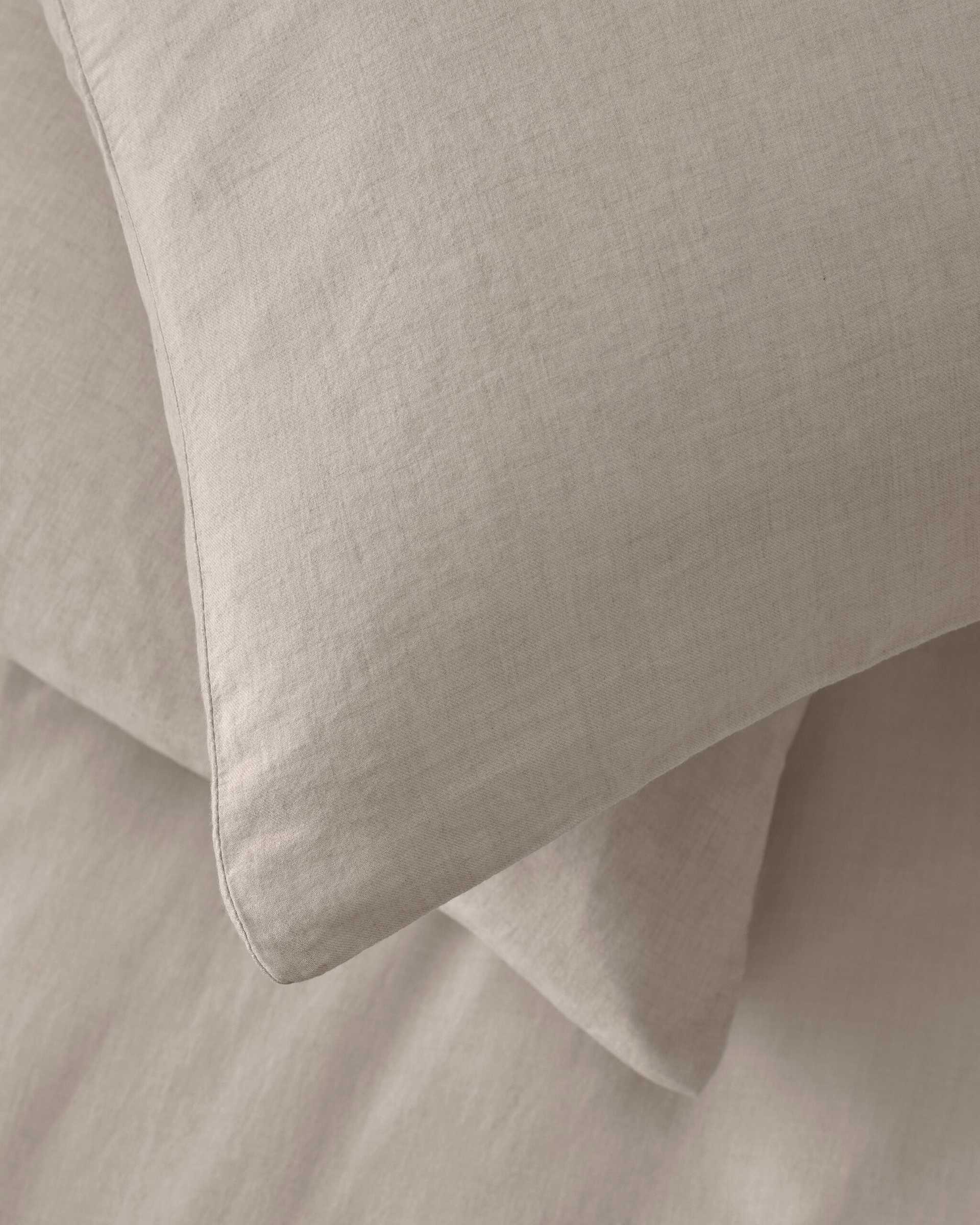
Pillowcases serve as a functional interface between sleeping surfaces and the skin, influencing comfort, hygiene, and fabric longevity. In the silk niche, pillowcases are valued for smooth textures that reduce friction, potentially minimizing hair breakage and skin creasing. Understanding fabric weight, weave, and fiber content helps users select options aligned with their sleep needs and climate.
Silk pillowcases often showcase natural properties such as moisture-wicking, temperature regulation, and hypoallergenic behavior. These characteristics can support a cooler, drier sleeping environment while supporting sensitive skin. When evaluating bedding choices, consider silk’s natural sericin residue and its impact on softness, durability, and the avoidance of friction-induced irritation.
The Selene Organic Silk Pillowcase exemplifies how premium materials translate to practical benefits. Features typically include breathable organic silk, smooth surface tension for gentle contact with skin and hair, and durable stitching designed for long-term use. Functional benefits may include reduced morning frizz, less pillow-induced creasing, and enhanced overall comfort.
Other key factors in selecting pillowcases include weave density, care requirements, and colorfastness. Organic silk pillowcases often require delicate handling and specific washing guidelines to maintain luster and prevent fiber damage. Proper care supports continued performance, preserving the fabric’s low-friction surface and moisture management properties for bedding and memory foam pillows users.
Overall, silk pillowcases in this bedding category highlight the intersection of comfort, health, and maintenance. By evaluating material quality, fiber origin, and care routines, sleepers gain insight into how pillowcase choice affects skin hydration, hair health, and sleep quality, alongside compatibility with other bedding such as sheets and memory foam pillows.
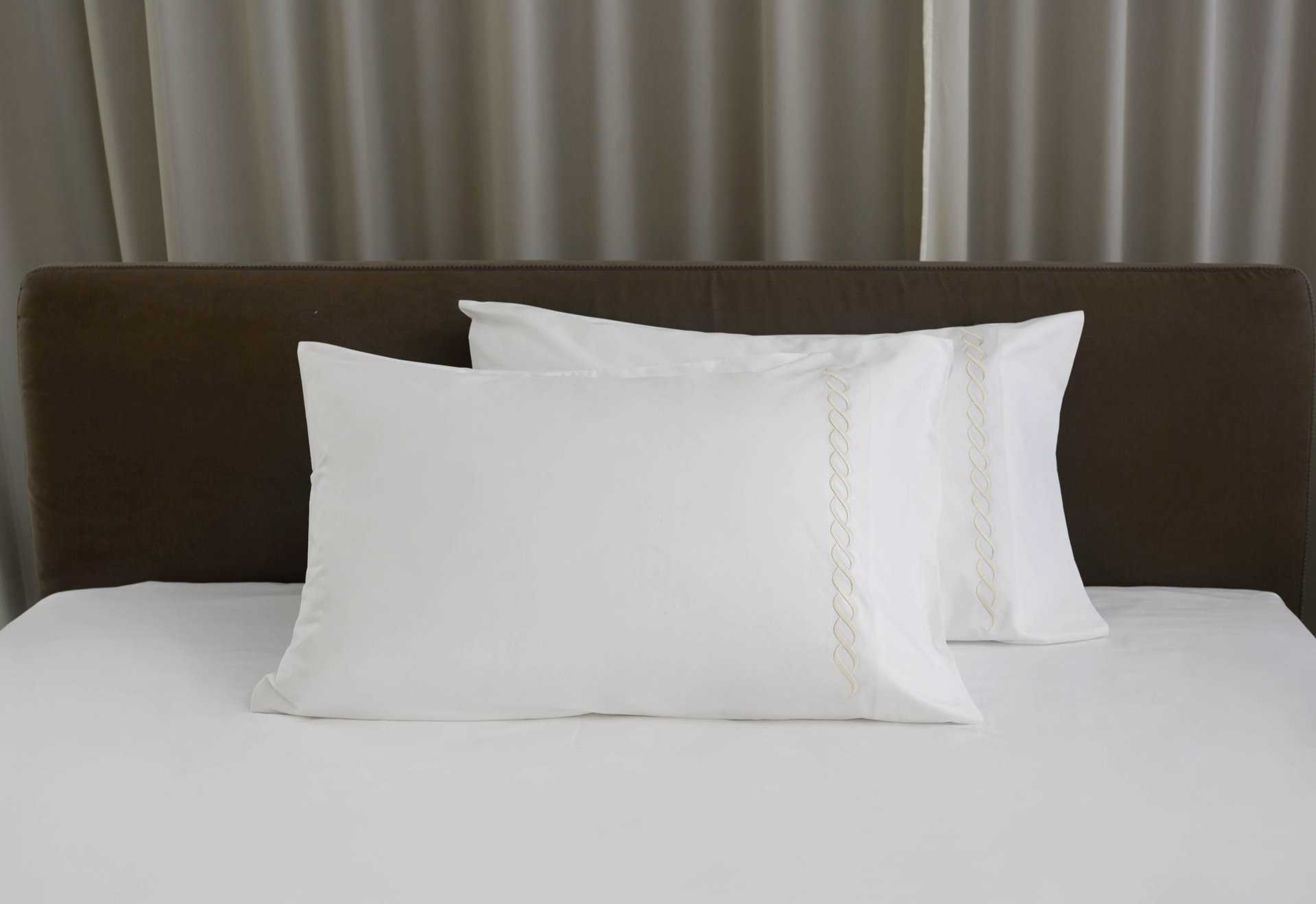 Bedding